

Learn what the fourth trimester means for you and your baby, plus warning signs, soothing tips, and physician-guided support from Dr. Suz in Las Vegas.

The moment your baby arrives, your world changes forever. But while most people talk about pregnancy and childbirth, few discuss what comes next - the fourth trimester. This crucial period, the first three months after giving birth, is a time of immense physical and emotional transformation. It’s when your body begins postpartum healing and you adjust to life as a new mother. From postpartum recovery tips to learning about postpartum symptoms, this guide will walk you through what to expect after birth - with compassion, honesty, and expert-backed insight.

The journey of pregnancy and childbirth is universally recognized as one of life's most transformative experiences, but what many expectant parents don't realize is that the transition doesn't end when the baby is born. In recent years, medical professionals, maternal health advocates, and parenting experts have been redefining postpartum care by emphasizing the critical importance of what's known as the "fourth trimester"—a concept that acknowledges the profound physical, emotional, and developmental changes that occur in the first three months after birth. This period represents a critical transition period not just for the newborn who is adjusting to life outside the womb, but also for parents who are navigating the overwhelming challenges of caring for a completely dependent human being while simultaneously recovering from pregnancy and childbirth. Understanding and properly supporting the fourth trimester can make the difference between a family that thrives and one that struggles through these early weeks in survival mode. Yet despite its significance, the fourth trimester remains woefully under-recognized in mainstream healthcare and culture, with new parents often feeling unprepared, isolated, and unsupported during what should be a celebrated and carefully nurtured time. This article explores why the fourth trimester deserves our attention, respect, and resources, and how acknowledging this crucial period can transform outcomes for babies, mothers, and entire families.

Pregnancy is traditionally divided into three trimesters, each lasting about three months and marked by key stages of fetal growth and maternal changes. However, many health experts now recognize a “fourth trimester”, the first 12 weeks after birth, as an equally important phase. This period is crucial not only for the newborn’s adaptation to life outside the womb but also for the parents’ physical and emotional recovery and well-being. At Wildflower Pediatrics in Las Vegas, we understand the fourth trimester as a time when both baby and parents require attentive care, support, and guidance. With so much change occurring during these early weeks, this phase sets the foundation for healthy development and strong family bonds.

Fever, pain, and allergies are common concerns in childhood, and parents often turn to over-the-counter medications for relief. Tylenol, Ibuprofen, and Zyrtec are widely used and can be safe and effective when given correctly. The information below highlights important dosing guidelines, age considerations, and safety tips every parent should know. Always read labels carefully, measure doses accurately, and consult your pediatrician with any questions.

Best age for babies to get their ears pierced:
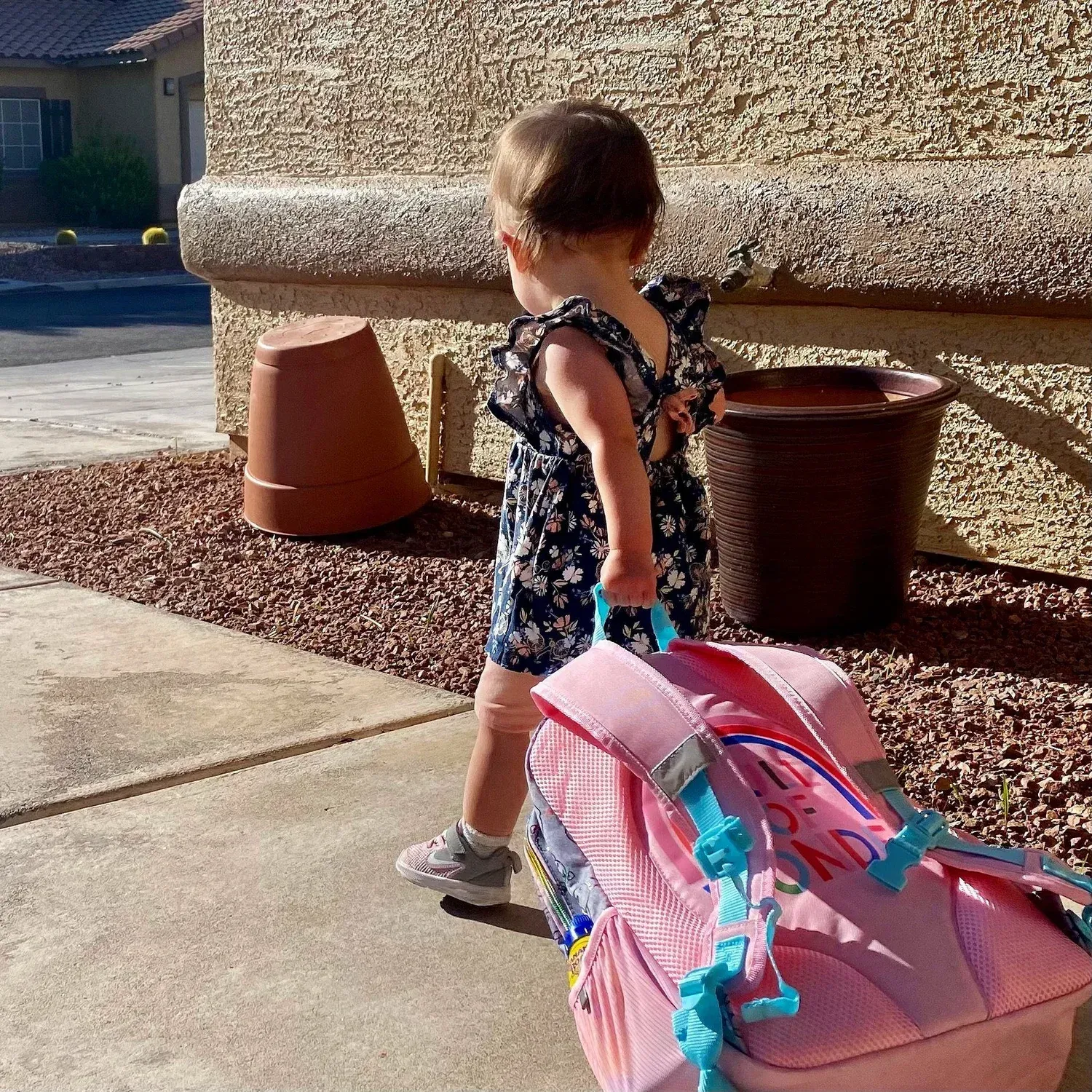
It’s back-to-school time! After a fun, healthy, and very hot summer (120° in Las Vegas anyone?), its time to transition back to the classroom. Whether this is your child’s first venture into such an environment, or they are entering their final years at a school, the transition back-to-school can be stressful and a bit anxiety provoking. Here are some tips from the AAP to help make this a smooth transition: Sleep Create a routine and stick to it! Try to make this transition before school starts, ideally 1-2 weeks beforehand. Lack of sleep is linked to decreased academic achievement and increased absenteeism. Avoid electronic devices 1-2 hours before sleep. The stimulation of these devices delays sleep onset and decreases sleep quality. Getting to and from school Practice makes perfect. Whether they will be in your car, in someone else's car, on the bus, walking, biking, or arriving by some other means, practice this a few times before the school year begins. Talk with your children about this plan so there are no surprises when it is put into action. Carpooling: ensure you or whoever is driving your child has appropriately sized restraints (car seat, booster seat, etc). Remind them of parking lot safety- please be aware of your surroundings while exiting the car and getting across the parking lots! School bus: just because the bus is equipped with a stop sign and bright flashing lights does not mean everyone else is paying attention! Wait for the bus to come to a complete stop. Make sure the driver sees you. And wear the seat belts if your bus has them! Walking/Biking: practice, practice, practice! Review the rules of the road for pedestrians/bicycles. Ride in bike lanes with the flow of traffic. And of course, wear a helmet! Children under the age of 10 probably shouldn't be walking to school by themselves. Consider organizing a “Walking school bus” in neighborhoods where there are several families sending children to the same school. Food Like sleep, breakfast is going to be imperative to set your child up for a great day at school. Have plenty of nutritious options and try to get a serving of protein in before heading to school. Try to find out what is available inside and outside the cafeteria. Many kids qualify for free or reduced price food, and many schools have plans that allow you to pay for meals through an online account or card. Check with your school for these options. If allowed, send your child with a water bottle and encourage them to avoid soda. One can of soda/day increases the risk of obesity by 60%! Backpacks We all remember carrying backpacks full of heavy textbooks. This is a common cause of musculoskeletal pain (especially low back pain) in children and adolescents. Make sure your child’s has wide, padded shoulder straps and make use of all of those compartments! They are there for a reason. Put the heaviest things in the back (closest to your child). Check the weight of the backpack and try to clean it out weekly to get rid of any unnecessary weight. Bullying Recognize that this is a serious problem. If your child tells you about a situation you think may be bullying, acknowledge their feelings and talk to them about it. Teach them to respond by standing tall and staying calm. Teach them to be firm and say things such as “Please do NOT talk to me like that.” or “I don’t like how you are talking to me.” Teach them that it's ok to walk away, and encourage them to feel comfortable reporting such behavior to an adult. I hate to say it, but it may be our own children who are the bullies! It’s got to be someone’s kid, right? In this case especially, we need to be the positive role model and try to teach them empathy by talking about how they might feel if the roles were reversed. Praise their good behavior. Either way, the school needs to be aware of bullying and a plan needs to be put in place to address these concerns. Lastly, please track their social media interactions. Cyber-bullying is a massive problem. Children are getting accounts younger and younger, and their brains just aren’t ready for this. Try to delay any social media until at least 14 years old, and when they have it, make sure they are using it in a healthy manner. Homework/studying Create a home-environment conducive to homework and studying. Make sure to provide your child with ample time and help them organize their homework. This means planning time around other extracurriculars and creating boundaries/rules regarding TV and other electronics. School should be a place where children feel safe to learn, to grow, and to develop into the people they want to be. There are so many ways we can help our children during this transition time. Pick a few to focus on early on and ask for feedback from your children and their teachers on how they think the year is getting started!
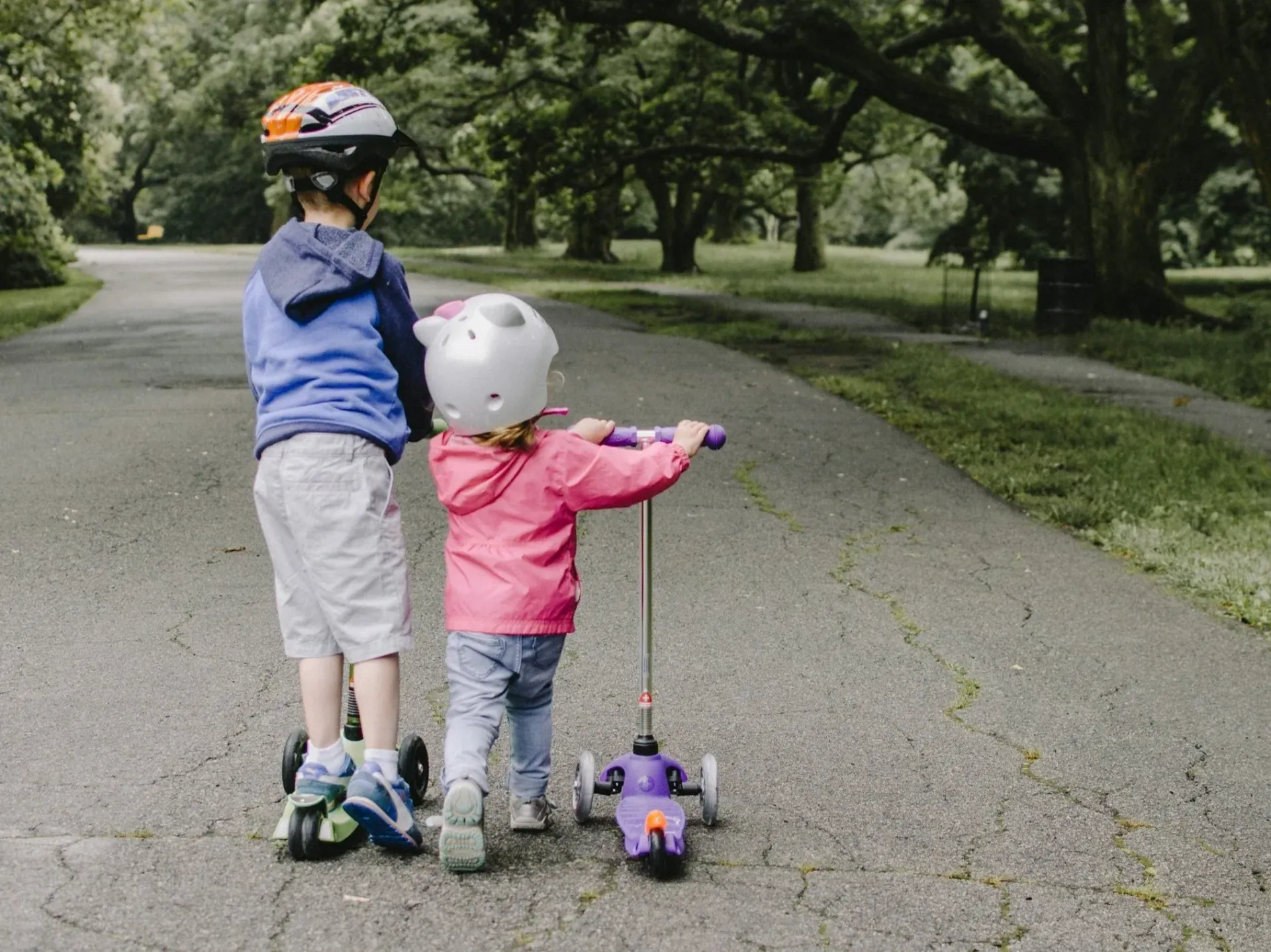
When we think about healthy living, some of the first things that come to mind are diet and exercise. While these factors are very important (and the focus of future posts), a focus on overall well-being is multifactorial. A recent American Academy of Pediatrics publication broadens the approach to healthy living to focus on things like social media, screen time, sleep and social-emotional wellness. This isn’t to say diet and exercise aren’t important, but we need to be aware of the dangers lurking in the time in between meal-time and physical activity. While it’s easy to see how this can affect adolescents, it has been shown that all of these factors start to take their toll beginning in the fourth trimester . Starting at this early age, parental role-modeling is imperative. As parents, we need to be the ones demonstrating healthy lifestyle choices so that as our children grow, they have the foundations of health to allow them to live, grow, and thrive. Healthy living can be both preventative of future disease and therapeutic in the presence of active disease. Lifestyle factors can help us prevent or identify in their earliest stages things like childhood obesity or disordered eating. Monitoring the amount of screen time as well as the content of those screens can help our infants, toddlers, and certainly our adolescents have a positive and healthy opinion on what is normal. The definition of “healthy” on social media is a skewed one and shouldn’t be the standard by which our children define themselves. We need to make sure, as parents, that we model healthy living and that we are the ones to define that term (“healthy”) for our children. The bottom line here: our focus should be on overall well-being. While we certainly want to avoid the development of preventable disease, health isn’t just the absence of disease. We want to maximize and optimize every aspect of our childrens’ lives so they can live, grow and thrive. The best way to do this as parents is to model it in all facets of our own lives- diet, exercise, social-emotional wellness, social media, sleep and screen time.

It's summertime here in Las Vegas and you want to head out with your family to soak up some sunshine. There are tons of fun outdoor activities to try to beat the heat, but before you go, let's talk about some things to consider: First of all, protect those little feet! We have all made that mistake, walking out on a hot day, barefoot, thinking “it's only a few steps!” and quickly coming to realize, those few steps are across some blazing hot pavement. Data shows that ground temperature can be as much as 40-50 degrees hotter than ambient temperature. That means, when it is 90 degrees out, asphalt temperature can be as high as 140°! See below (and for my neighbors here in LV, please don't laugh that it “only” goes up to 95°): - Air temp 85° -> concrete 105° -> asphalt 130° - Air temp 90° -> concrete 125° -> asphalt 140° - Air temp 95° -> concrete 145° -> asphalt 150° Consider this: everyone’s favorite scientist Bill Nye the Science Guy did an experiment that showed that he could fry an egg at 130°. Yes, it took some time, but I certainly don't want to be able to compare my child’s foot to a popular breakfast food! Our childrens’ feet aren't as seasoned as ours and their skin lacks several protective mechanisms that develop as they age. This means any prolonged contact can lead to serious burns, from mild pain and redness to blistering and even as high as 3rd degree burns (now called full thickness burns). Lastly, don't be falsely reassured by being at the pool. The pool deck is HOT! Bottom line: don't forget your little ones’ shoes, even if its just a quick trip outside or to a splash pad! Next, those UV rays are strong here in the desert. Children now have a 1:33 risk of developing skin cancer in their lifetime, compared to a 1:1500 risk for children born in the 1930’s. Increasing evidence shows that excessive exposure early in childhood leads to skin cancer later in life. Many governmental health organizations and professional organizations promote “Comprehensive sun protection.” This includes avoiding peak sun exposure, wearing protective clothing, and using sunscreen. As noted above, children’s skin doesn’t have the same protective features as adult’s skin. The outermost layer hasn't fully developed, allowing more ultraviolet (UV) radiation in and making sunscreen less effective. For infants under 6 months, recommendations are to first and foremost avoid UV radiation altogether given the ease of controlling exposure at this age (ie: put them in the shade!). Next, when exposure is inevitable, dress these babies in brimmed hats and UV-protective clothing. Unfortunately, prior to 6 months, baby’s skin is more permeable and sunscreen, which is supposed to stay ON the skin to protect it, is absorbed into the body and can be dangerous to the infant. While this is just a guess- there are no studies that prove this data in human babies- avoidance, big hats and UV-protective clothing should be mainstays at this age. Next, for our older babies and children, sunscreen is a prime sun-protective resource most of us are familiar with. However, use of sunscreen has a huge drop off from the age of 9 to 15. Hard to imagine (#sarcasm). Unfortunately, there is no “one-size-fits-all” when it comes to sunscreen. Some people prefer lotions, others sprays. Some prefer clear, others like to see that white residue to know where sunscreen has already been applied. Others may simply have a reaction to specific components of one sunscreen and not another. It may take some trial and, unfortunately, error, to find out how best to protect your children from those harmful rays. Bottom lines: try to keep babies under 6 months out of the sun as much as possible. After 6 months, find and use (every day) the sunscreen that works best for you and your family and start teaching your children about sun protection at a young age. Have a great summer!

Direct primary care (DPC) is a rapidly-growing model of healthcare in which the patient receives more personalized and comprehensive care through improved access to their doctor. Doctors’ “panels”- the number of patients under their care- are significantly smaller than the typical fee-for-service (insurance-based) doctor, who generally has a panel size of nearly 2,000 patients. In DPC, practice sizes range roughly from 100-500 patients. This allows for no or minimal wait times, same day or next day appointments and extended appointment times. There are no co-pays. No “you are 11th in line” holds when calling to schedule an appointment or refill a prescription or ask a question of your doctor. Patients often have direct access to their doctor- they can call, video chat, text, or email and expect their doctor to return this communication in a timely fashion, if their doctor doesn’t simply answer the phone in the first place. Doctors often make house-calls. Patients are able to build genuine relationships with their doctor. It is “old school” medicine- the way medicine should be, and used to be, practiced. Patients pay their doctors a monthly or annual fee for this service. While this is similar to concierge practice, one major difference is that DPC practices do not bill insurance companies. There aren’t hidden costs or surprise bills. Often doctors will partner with local labs, pharmacies, or radiology services to offer these items or services at cost. You’ll know the cost of such an item or service before you go. Not only that, but patients in DPC practices have been shown to utilize urgent care and emergency care less often. Imagine this- you get to see the same doctor, talk to the same doctor; you can text, call, or email that doctor directly; that doctor truly knows you and your family, and you get to know your doctor! The doctor knows what works for you and your family. It is not just patient-centered care, but family-centered care. It’s innovative, its exciting, and its the future of primary care. Is DPC right for you and your family? Give us a call to talk it over. I promise, you won't be 11th in line. Find more information about DPC here: https://www.youtube.com/watch?v=P5qr0mTkbuU